

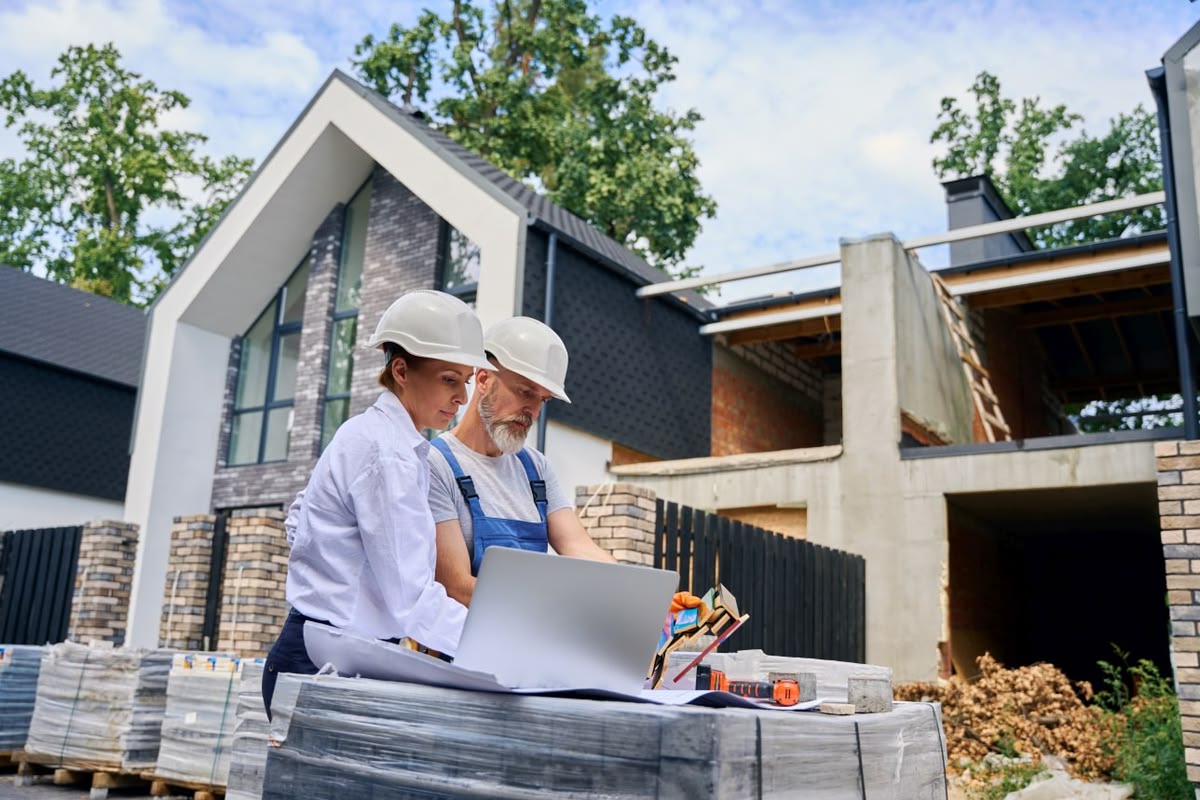
Mistakes to Avoid When Building a House in Pakistan
Building a house is one of the most significant investments we make in our lifetime, especially in Pakistan where real estate holds both emotional and financial value. From selecting the right plot to final finishing touches, every stage demands precision, planning, and professional execution. However, many homeowners unknowingly make costly mistakes that not only increase expenses but also compromise quality, safety, and long-term durability. To ensure a smooth construction journey, we must identify and avoid these critical errors from the very beginning.
Lack of Proper Planning and Budgeting
One of the most common mistakes we observe is starting construction without a detailed plan and realistic budget. Many people rely on rough estimates or verbal commitments, which leads to financial mismanagement during the project.
Without a comprehensive construction plan, unexpected costs begin to surface, such as material price fluctuations, labor charges, and design changes. This ultimately results in project delays or compromised quality due to budget constraints.
We must:
- Prepare a detailed cost breakdown before starting construction
- Allocate a contingency budget of at least 10–15%
- Consult professionals for accurate cost estimation
Choosing the Wrong Location or Plot
Selecting the wrong plot can create long-term issues that cannot be fixed later. Factors such as soil condition, access to utilities, and surrounding infrastructure play a crucial role in construction success.

In Pakistan, many buyers invest in plots without conducting proper soil testing or legal verification. This can lead to structural instability or legal disputes, both of which are extremely costly.
To avoid this:
- Verify land ownership and legal documentation
- Conduct soil testing for construction suitability
- Evaluate accessibility, drainage, and neighborhood development
Ignoring Professional Architectural Design
Another major mistake is skipping professional architectural services to save costs. Many homeowners rely on copied designs or unqualified draftsmen, which results in poor space utilization and structural inefficiencies.
A well-designed house not only enhances aesthetics but also improves ventilation, lighting, and functionality. Poor design leads to wasted space, higher energy consumption, and future renovation costs.
We should always:
- Hire a qualified architect for custom house design
- Ensure proper ventilation and natural light planning
- Focus on long-term usability instead of short-term savings
Hiring Unskilled Contractors or Labor
The quality of construction largely depends on the contractor and labor team. Hiring inexperienced or low-cost contractors often results in poor workmanship, delays, and substandard materials usage.
In Pakistan’s construction industry, many contractors lack proper training or accountability, which leads to structural defects and finishing issues.
To ensure quality:
- Verify contractor experience and past projects
- Use written agreements with clear timelines and costs
- Supervise construction regularly or hire a project manager
Using Low-Quality Construction Materials
One of the most damaging mistakes is compromising on construction materials such as cement, steel, bricks, and electrical fittings. While cheaper materials may reduce initial costs, they significantly reduce the lifespan of the house.
Poor-quality materials can lead to cracks, seepage, corrosion, and even structural failure over time. This increases maintenance costs and reduces property value.
We must prioritize:
- High-quality cement, steel, and bricks
- Certified electrical and plumbing materials
- Reliable suppliers with proven track records
Neglecting Soil Testing and Structural Engineering
Many homeowners in Pakistan skip soil testing and structural analysis, assuming that all plots are construction-ready. This assumption can be dangerous, especially in areas with weak or uneven soil.
Without proper structural engineering, the building may develop foundation issues, cracks, or even collapse in extreme cases.
Important steps include:
- Conducting soil investigation before foundation work
- Hiring a structural engineer for load calculations
- Designing a foundation based on soil condition
Poor Electrical and Plumbing Planning
Electrical and plumbing systems are often overlooked during early construction stages, leading to poor layouts and costly rework later. Improper wiring can create safety hazards, while poor plumbing leads to leakage and water pressure issues.
In many cases, homeowners realize these problems only after completion, when fixing them becomes expensive and inconvenient.
To avoid this:
- Plan electrical points according to future needs
- Use high-quality wiring and circuit protection systems
- Design an efficient plumbing layout with proper drainage
Ignoring Waterproofing and Insulation
Water seepage and heat insulation are major concerns in Pakistan’s climate, yet many builders neglect proper waterproofing and insulation techniques.
Without waterproofing, roofs and walls develop leakage issues, especially during monsoon seasons. Similarly, lack of insulation results in excessive indoor heat, increasing electricity costs due to cooling requirements.
We should ensure:
- Roof and bathroom waterproofing
- Wall damp-proofing treatments
- Thermal insulation for energy efficiency
Frequent Design Changes During Construction
Making frequent changes once construction has started is a costly and time-consuming mistake. Many homeowners modify layouts, materials, or finishes midway, which disrupts workflow and increases expenses.
These changes often lead to structural compromises or mismatched design elements, affecting the overall look and strength of the house.
Best practices include:
- Finalizing design before construction begins
- Avoiding unnecessary mid-project changes
- Following a well-defined construction plan
Lack of Proper Site Supervision
Construction without proper supervision leads to errors, material wastage, and poor quality control. Many homeowners rely entirely on contractors without monitoring progress, which often results in hidden defects.
Regular supervision ensures that work is being done according to specifications and standards.
We must:
- Visit the site regularly
- Monitor material usage and workmanship
- Hire a professional supervisor if needed
Overlooking Legal Approvals and Regulations
Ignoring legal requirements such as building approvals and bylaws can lead to serious consequences, including fines, demolition, or legal disputes. In Pakistan, each housing society has specific construction rules that must be followed. Non-compliance can create issues during resale or property transfer.

To stay compliant:
- Obtain approved building plans
- Follow society and municipal regulations
- Ensure proper documentation at every stage
Focusing Only on Aesthetics Over Functionality
While a visually appealing house is important, focusing only on aesthetics often leads to functional problems. Many homeowners prioritize luxury finishes while ignoring practical aspects like storage, ventilation, and layout efficiency.
A well-balanced design ensures both beauty and usability, making daily living comfortable and efficient.
We should:
- Prioritize functionality alongside design
- Plan storage spaces effectively
- Ensure practical room layouts
Underestimating Time Management
Construction delays are extremely common in Pakistan due to poor planning, labor issues, or material shortages. Underestimating project timelines leads to frustration and increased costs.
A delayed project not only affects finances but also disrupts personal plans, especially if the house is intended for immediate use.
To manage time effectively:
- Set realistic construction timelines
- Track progress regularly
- Avoid unnecessary delays in decision-making
Conclusion: Building Smart for Long-Term Value
Building a house in Pakistan requires more than just financial investment—it demands strategic planning, professional expertise, and informed decision-making. By avoiding these common mistakes, we ensure that our home is not only structurally strong but also efficient, durable, and valuable in the long run.
A well-constructed house reflects thoughtful execution at every stage, from foundation to finishing. When we focus on quality, planning, and professional guidance, we create a home that stands the test of time and delivers true peace of mind.